

Hyundai Tire Rotation vs. Wheel Alignment: What Causes Uneven Tire Wear?
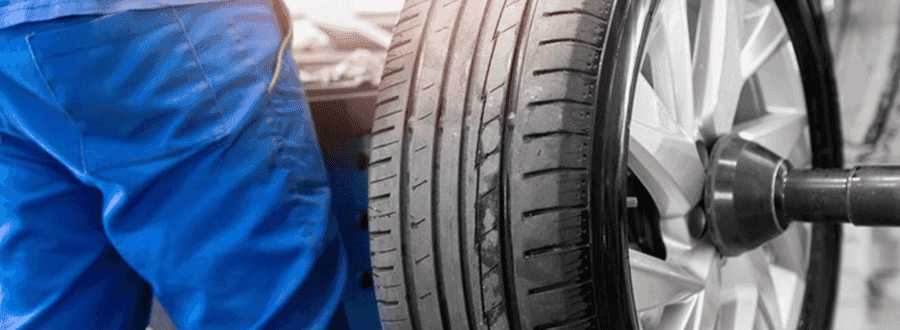
Preventing uneven tire wear on a Hyundai requires rotating tires every 7,500 miles, checking wheel alignment annually or whenever steering drift occurs, maintaining correct tire inflation pressures, and rebalancing wheel assemblies if high-speed vibrations develop. Regular tire rotations equalize tread wear across front and rear drive axles, while precise alignment calibration prevents premature shoulder scrub caused by incorrect camber or toe angles.
Routine tire maintenance is the primary line of defense against premature tire degradation. Front-wheel-drive vehicles transfer motor torque, steering friction, and heavy braking stress to the front axle. On models like the 2026 Hyundai Santa Fe, which features a 2.5L engine producing 277 hp and 311 lb-ft of torque, the front tires bear higher vertical load and traction demands than the rear tires. Rotating tires according to factory guidelines distributes this wear across all four wheel positions, maximizing overall tread life.
Suspension geometry plays an equally critical role in preserving tire tread. Even minor impacts with road debris or potholes can alter wheel alignment settings, causing the tires to drag at an angle rather than rolling straight. When alignment strays from factory specifications, tread rubber wears away rapidly along the inner or outer edges. To safeguard your tires against accelerated wear, schedule routine inspections with our service center in Delray Beach or give our team a quick call to check your vehicle’s maintenance status.
Maintaining correct tire pressure is another fundamental step. Under-inflated tires flex excessively under load, causing outer shoulder wear and increased heat buildup, while over-inflated tires wear out predominantly along the center tread band. Combining proper inflation with scheduled rotations every 7,500 miles ensures balanced tread loss across all four tires.
What Is the Difference Between Tire Rotation, Wheel Alignment, and Balancing?
Tire rotation changes the physical position of tires on a vehicle to equalize tread wear, wheel alignment adjusts suspension angles to ensure wheels roll parallel to each other, and tire balancing corrects weight distribution imbalances in the wheel-and-tire assembly. Each service targets a distinct mechanical system to protect vehicle handling and tire longevity.
Tire rotation is a mechanical service where technician teams move wheels from front to rear or crosswise according to specific tire tread patterns. Drive wheels experience greater friction from propulsion and steering forces, causing tread to wear faster than on non-driven positions. Rotating tires at 7,500-mile intervals ensures all four tires wear down at an equal rate, preserving predictable traction across all driving conditions.
Wheel alignment involves adjusting the suspension linkage components—specifically camber, caster, and toe angles—that connect the vehicle to the wheels:
- Camber measures the vertical tilt of the tire when viewed from the front of the vehicle.
- Toe measures the inward or outward pointing of the tires when viewed from above.
- Caster evaluates the steering axis angle from the side view, affecting straight-line stability.
When alignment angles deviate from Hyundai specifications, tires scrub across the pavement rather than rolling cleanly. For replacement suspension components or tire care products, drivers can explore our Hyundai parts center for factory-certified supplies to maintain optimal vehicle performance.
Tire balancing addresses mass distribution around the axle. Manufacturing variations in tires and wheels create subtle heavy spots. During balancing, technicians place small counterweights on the wheel rim to eliminate high-speed rotational wobbles.
| Service | Primary Component Adjusted | Core Function | Typical Indicator for Service |
|---|---|---|---|
| Tire Rotation | Tire Position on Axles | Equalizes tread wear rates | Scheduled 7,500-mile interval |
| Wheel Alignment | Suspension Angles (Toe, Camber) | Ensures straight rolling path | Steering pull or edge wear |
| Tire Balancing | Wheel Assembly Counterweights | Eliminates rotational mass imbalance | Steering wheel vibration |
What Causes Uneven Wear and How Does Directional Rotation Differ?
Uneven tire wear stems from incorrect tire inflation, misaligned suspension geometry, unbalanced wheel assemblies, worn shock absorbers, and aggressive cornering or braking habits. Directional tire rotation differs from non-directional tire rotation because directional tires feature a tread design optimized to roll in only one forward direction, restricting rotations strictly from front to rear on the same side of the vehicle.
Specific wear patterns provide clear visual clues about underlying mechanical issues:
- Heel-and-toe wear, where one edge of a tread block wears faster than the other, often points to neglected rotation intervals or worn suspension bushings.
- Feathered tread edges indicate excessive toe-in or toe-out alignment errors, causing the tire to scuff sideways across the asphalt.
- Center wear signals persistent over-inflation, whereas dual-edge shoulder wear highlights under-inflation.
- Cupping or scalloped dips around the tire perimeter indicate unbalanced wheels or degraded shocks that allow the tire to bounce down the road.
Directional tires utilize V-shaped tread patterns engineered to channel water away from the tire footprint efficiently. Because these tread channels are asymmetric, installing a directional tire backward reduces water evacuation performance and accelerates tread breakdown. Consequently, technicians rotate directional tires straight front-to-back on the left side and right side independently.
Non-directional tires feature symmetrical or non-directional tread patterns, allowing them to be rotated using cross-pattern methods, such as moving rear tires straight to the front and cross-switching front tires to opposite rear sides. On compact sedans like the 2026 Hyundai Elantra, adhering to proper non-directional rotation patterns ensures maximum mileage from every set of tires.
Can Misaligned Wheels Affect Hyundai SmartSense and Hydroplaning Safety?
Severe wheel misalignment compromises safety by throwing off Hyundai SmartSense driver-assist sensor calibrations and dramatically increasing hydroplaning risks on wet roads. Misaligned suspension geometry forces the vehicle to track off-center, misaligning steering wheel positioning with forward camera and radar inputs.
Modern safety suites like Lane Keeping Assist and Smart Cruise Control rely on precise data from the Steering Angle Sensor. If suspension misalignments force the driver to hold the steering wheel slightly turned to maintain a straight line, the vehicle’s onboard computers receive conflicting signals regarding true heading versus driver input. This discrepancy can cause driver assistance systems to trigger unintended steering corrections or deactivate unexpectedly. Whenever suspension components are serviced or aligned, certified technicians must perform a digital Steering Angle Sensor recalibration to maintain advanced safety system accuracy.
Hydroplaning occurs when water builds up under the tire faster than the tread can clear it, causing the tire to lose contact with the road. Misaligned wheels accelerate uneven shoulder wear and feathering, rapidly diminishing tread depth along critical drainage grooves. During heavy rainstorms in Boca Raton, where sudden downpours cover suburban roadways with standing water, worn tread channels fail to evacuate water effectively, causing tires to float on top of the water film and reducing steering control.
How Much Fuel Economy or EV Range Is Lost Due to Bad Alignment?
Misaligned wheels can reduce fuel economy or electric vehicle efficiency by up to 10 percent due to increased rolling resistance and drag against the road surface. When wheels point inward or outward beyond factory specifications, the tires continuously drag across the pavement instead of rolling smoothly forward.
This continuous scuffing action acts as a mechanical drag on the powertrain, forcing the engine or electric motor to consume additional energy to sustain vehicle speed. On highly efficient vehicles like the 2026 Hyundai Elantra, which achieves up to 51 mpg city / 58 mpg hwy, even a modest decrease in rolling efficiency compromises fuel savings. For electric vehicles, increased drag translates directly to reduced battery range per charge.
Beyond increased energy consumption, driving on misaligned wheels causes tires to operate at elevated temperatures due to excessive friction. Heat breaks down rubber compounds rapidly, shortening tire life and forcing premature replacement. Maintaining proper four-wheel alignment preserves factory efficiency ratings and extends tread life.
Are Tire Rotations Included in Hyundai Complimentary Maintenance?
Hyundai Complimentary Maintenance covers factory-recommended tire rotations, engine oil and filter changes, and multi-point inspections for 3 years or 36,000 miles, whichever comes first, on new Hyundai vehicles. This coverage helps original owners maintain factory maintenance schedules without out-of-pocket costs for basic services.
Covered services must be performed at authorized Hyundai dealerships within designated mileage windows according to the vehicle’s owner manual. The program covers routine tire rotations performed at standard 7,500-mile intervals under normal operating conditions.
Certain wear-and-tear items and specialized operations are excluded from complimentary coverage:
- Wheel alignment checks and mechanical alignment adjustments.
- Wheel rebalancing outside of initial assembly needs.
- Tire replacement due to punctures, bulges, or normal tread wear.
- Maintenance required as a result of severe driving conditions or commercial use.
All-wheel-drive models, such as the 2026 Hyundai Tucson equipped with an all-wheel-drive powertrain, rely on uniform tire diameters across all four wheels to protect transfer cases and differential units from extra stress. Performing covered tire rotations on schedule preserves uniform tread depth at all four corners.
Common Questions About Hyundai Tire Maintenance
How do I know if my Hyundai needs a wheel alignment instead of a tire rotation?
A vehicle needing a wheel alignment typically pulls to one side on a straight road, displays an off-center steering wheel, or shows uneven tread wear along the inner or outer tire edges. A tire rotation is a preventive service performed at regular 7,500-mile intervals to maintain even wear, whereas alignment is an corrective adjustment performed when steering geometry strays from factory specifications.
Can an unbalanced tire cause permanent damage to my vehicle?
Driving on unbalanced tires creates persistent high-speed vibrations that place excessive stress on wheel bearings, shock absorbers, struts, and steering linkages. Over time, these vibrations lead to premature component failure and cause scalloped cupping patterns across the tire tread, rendering the tire unusable long before its expected tread life ends.
Why do front-wheel-drive Hyundai vehicles wear front tires faster?
Front-wheel-drive models transmit motor torque, primary braking force, and steering friction through the front axle simultaneously. Because the front tires handle vehicle propulsion, directional control, and the majority of stopping weight, their tread degrades substantially faster than rear tires unless rotated regularly.
What should I do if I notice a bulge or bubble in my tire sidewall?
A sidewall bulge indicates internal structural damage to the tire cord fabric, severely compromising tire integrity and increasing the risk of a sudden blowout. You should replace the damaged tire immediately and refrain from driving at high speeds until a new tire is installed by factory-trained technicians.
How does proper tire inflation impact wheel alignment longevity?
Maintaining proper tire pressure ensures even weight distribution across the tire footprint, allowing suspension components to absorb road impacts as designed. Running under-inflated or over-inflated tires increases impact shock transferred to control arms and tie rods, increasing the likelihood that minor road bumps will knock suspension alignment out of specification.
If you suspect uneven tire wear, notice steering wheel vibrations, or need your scheduled 7,500-mile service, reach out to our team at Delray Hyundai. You can learn more about our dealership and our factory-certified service center online, stop by 655 Ne 6th Ave, Delray Beach, FL 33483 for a quick inspection, or give our service advisors a call to reserve your next appointment today.
Prices and MSRP referenced in this article are estimates for informational purposes only and do not constitute an offer to sell. See dealer for complete details.
Fuel economy estimates shown may differ from official EPA ratings and should not be relied upon as a guarantee of actual vehicle performance.
0 comment(s) so far on Hyundai Tire Rotation vs. Wheel Alignment: What Causes Uneven Tire Wear?