

From Kona to Palisade: Choosing the Right Hyundai SUV Size
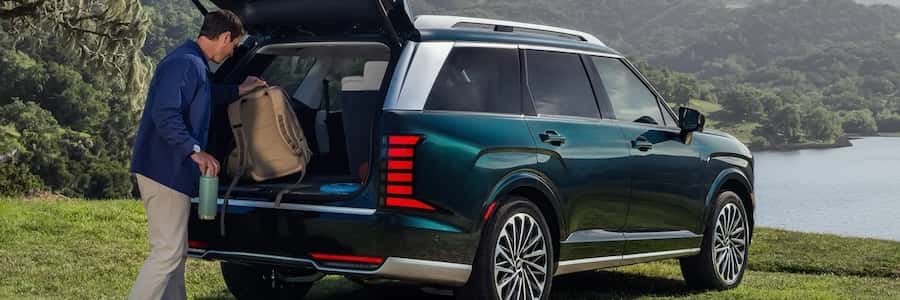
Navigating the diverse lineup of modern sport utility vehicles requires a clear understanding of how physical footprints translate into actual cabin utility. For active drivers loading up paddleboards or beach gear for a weekend at Delray Municipal Beach, finding the right balance of footprint and interior volume is key. Our team at Delray Hyundai is here to help clarify these differences so that buyers can select the perfect model for their lifestyle. The lineup starts with the urban-friendly subcompact platform and scales up to a full-size, three-row family cruiser, ensuring there is a configuration tailored to every need.
The journey through our new Hyundai SUVs begins with the highly maneuverable, entry-level new Hyundai Venue inventory, which offers an excellent starting point for those prioritizing easy parallel parking and daily efficiency. Stepping up in size, the new Hyundai Kona inventory provides a more robust cargo area while remaining highly agile in tight coastal spaces. For families requiring a bit more breathing room, the new Hyundai Tucson inventory represents the sweet spot of the compact class, delivering generous second-row room and a highly versatile rear cargo floor.
Further up the scale, those who need three rows of seating can explore the bold, boxy styling of the new Hyundai Santa Fe inventory or choose the ultimate luxury and passenger capacity found in the new Hyundai Palisade inventory. For eco-conscious buyers, we also offer a wide selection of electrified options, which can be viewed in our Shop New Hyundai Hybrids & EVs section. To experience these dimensions in person, you can easily browse new inventory online or visit our Delray Beach dealership location to compare these models side by side. If you have immediate questions about availability, please call us at (561) 462-1991 to speak directly with a sales specialist.
Which Hyundai SUV Has the Most Overall Cargo Space
The heavy-hitter of the family lineup is the 2026 Hyundai Palisade, which delivers the absolute maximum cargo volume among all available models. When maximum hauling capability is the priority, this three-row flagship stands out by offering up to about 87 cubic feet of total cargo room when both the second and third rows are folded flat. Even with a full carload of passengers, it provides a highly usable about 19 cubic feet of dedicated cargo space directly behind the third-row seats, making it easy to pack luggage or grocery bags without sacrificing passenger comfort.
To ensure consistency and accuracy across the automotive industry, Hyundai publishes all SUV cargo volumes using the industry-standard SAE J1100 methodology. This standardized system measures interior cargo space in cubic feet with seats in defined upright and folded positions, allowing buyers to make direct, honest comparisons. In these official spec guides, cargo volume behind seat 2 refers to the usable space behind the second-row seatbacks up to the load floor, while cargo volume behind seat 1 represents the absolute maximum capacity available when all rear seatbacks are folded down.
While the Palisade leads the entire lineup in sheer volume, the redesigned 2026 Hyundai Santa Fe is a very close second. The Santa Fe provides up to about 80 cubic feet of maximum cargo capacity with both rear rows folded, and a generous about 40.5 cubic feet behind the second row when the third row is folded flat. For those looking at smaller options, the 2026 Hyundai Kona offers a highly consistent layout across its entire trim range. The Kona provides about 25.5 cubic feet of cargo space behind the rear seats, which expands to about 64 cubic feet when the second row is folded flat. This identical capacity applies to the entry-level SE with its curb weight of 3,005 lbs, the SEL Sport at 3,053 lbs, and the premium Limited trim which carries a curb weight of 3,318 lbs.
Choosing a Three-Row SUV: Santa Fe Versatility Versus Palisade Volume
When your weekly routine involves carpools and grocery runs, deciding between the midsize Santa Fe and the larger Palisade comes down to how often you utilize the third row. Families navigating the school runs and country club activities around Boca Raton often find that the Palisade’s extra third-row legroom is essential when carrying teenage passengers. The Palisade is engineered as a dedicated passenger-first vehicle, offering comfortable seating for up to eight occupants, or seven when equipped with second-row captain’s chairs. It features a robust 3.5L V6 engine producing 287 hp paired with a smooth 8-speed automatic transmission, allowing it to deliver a maximum towing capacity of 5,000 lbs for towing boats or trailers.
The Santa Fe, on the other hand, serves as an incredibly smart compromise for those who want three-row versatility in a slightly more compact, maneuverable package. While the Palisade offers a total passenger volume of about 162 cubic feet, the Santa Fe remains highly competitive with 151 cubic feet of passenger room. The legroom measurements highlight the physical differences clearly: the Santa Fe offers about 44 inches of front legroom, 42 inches in the second row, and 30 inches in the third row, whereas the Palisade expands third-row legroom to about 32 inches.
For buyers who only need the third row occasionally, the Santa Fe’s fold-flat seats allow the cabin to transition instantly into a cavernous cargo hauler. It offers a maximum towing capacity of 4,500 lbs in its gas configuration, or 2,000 lbs when opting for the highly efficient hybrid powertrain. Choosing between them depends on whether your daily driving demands the maximum seating capacity and V6 power of the Palisade, or the easier parking and agile handling of the Santa Fe.
Smart Cargo Features and Value-Per-Dollar in the Tucson and Kona
A common misconception among SUV shoppers is that you have to buy the largest model to get highly functional cargo space. The 2026 Hyundai Tucson completely dismantles this idea by offering an exceptional balance of cargo volume and pricing. The Tucson provides a massive about 39 cubic feet of cargo space behind the second row, which is nearly identical to the space offered by many larger midsize SUVs. This compact powerhouse starts at a highly competitive base MSRP of $29,450 for the gas-powered SE trim, while the hybrid Blue SE trim starts at $32,450 and features a standard All-wheel drive system, a 1.6L turbocharged engine, and a 6-speed automatic transmission that delivers an EPA-rated 38 city / 38 hwy.
The Tucson also stands out because of its incredibly convenient cargo management features. It comes equipped with dual remote-release levers located in the side walls of the trunk area, allowing you to fold the second-row seats flat instantly without having to walk around and open the rear passenger doors. When families test-drive the Tucson at our dealership, they often head straight to the tailgate first to pull these remote-release levers themselves, noting how easily the cargo floor expands for beach gear.
For buyers working with a tighter budget, the subcompact Kona offers unmatched value-per-dollar. The Kona lineup is priced to accommodate a variety of buyers, with the entry-level SE carrying a base MSRP of $25,500 with a $1,600 destination charge. Moving up, the SEL Premium is listed at a base MSRP of $28,425 with a $1,600 destination charge, and the top-tier Limited trim starts at a base MSRP of $32,535 with a $1,600 destination charge. Even with its smaller footprint, the Kona provides a highly usable about 25.5 cubic feet of cargo space behind the rear seats, proving that smart packaging can deliver excellent utility at an affordable price point.
Common Buyer Questions About Hyundai SUV Dimensions and Capacities
Our sales team receives many questions from local shoppers who are trying to find the exact dimensions that fit their garages, families, and cargo needs. Our team makes it simple to apply for financing online before your visit so you can focus entirely on selecting the right vehicle. To learn about our dealership and our commitment to providing a transparent, stress-free buying experience, feel free to contact us at any time.
Q: Which Hyundai SUV has the most overall cargo space?
The Palisade has the most overall cargo space, delivering up to about 87 cubic feet of maximum capacity with all rear seats folded flat. It also provides about 19 cubic feet behind the third row when all seats are occupied, making it the premier choice for large families.
Q: If I want three rows, should I focus more on the Santa Fe or the Palisade?
The Palisade is the better choice if you regularly carry passengers in the third row and need maximum cargo volume. The Santa Fe is an excellent alternative if you prefer a slightly smaller, more maneuverable footprint for tight parking spaces while still retaining occasional third-row utility.
Q: Which Hyundai SUV offers the best value for cargo space per dollar?
The Tucson represents the strongest value-per-dollar for cargo space, offering about 39 cubic feet behind the second row at a highly accessible starting price. This makes it a popular choice for buyers seeking utility without moving up to a midsize platform.
Q: Is the Palisade a better choice than the Santa Fe if I want to tow and carry a lot of cargo?
Yes, the Palisade is better suited for heavy hauling, featuring a standard 3.5L V6 engine that enables a towing capacity of up to 5,000 lbs when properly equipped. This is paired with its superior overall cargo volume of about 87 cubic feet.
Q: Can you fold the second-row seats remotely from the trunk in a Hyundai Tucson?
Yes, the Tucson comes equipped with remote-release levers mounted in the cargo area side walls. Pulling these levers instantly folds the second-row seats flat, saving you from having to walk around to the rear doors.
0 comment(s) so far on From Kona to Palisade: Choosing the Right Hyundai SUV Size