

IONIQ 5 or Model Y? Which EV Makes More Sense in South Florida?
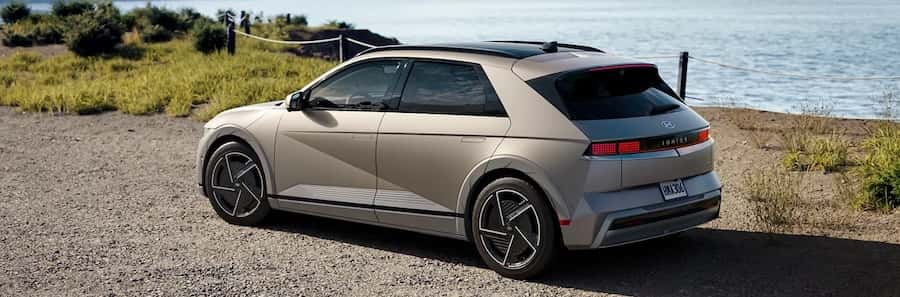
Deciding on a new electric vehicle in South Florida often comes down to how a vehicle fits into your daily routine, from highway commuting to weekend coastal trips. The competition between the 2026 Hyundai IONIQ 5 and the Tesla Model Y is one of the most common matchups shoppers evaluate when looking for a highly capable, modern electric SUV. While both models occupy a similar price point, they deliver vastly different experiences in terms of charging technology, ownership security, and cabin design.
For those ready to explore the latest in electric mobility, we offer a comprehensive selection at Delray Hyundai. You can view our new Hyundai hybrids and EVs to compare different configurations, or look specifically at the highly sought-after new Hyundai Ioniq 5 inventory. If you are considering other body styles or sizes, we also carry the sleek new Hyundai Ioniq 6 inventory and are preparing for the arrival of the three-row family-sized new Hyundai Ioniq 9 inventory.
To experience these vehicles in person, you can get highly accurate route guidance to our showroom by finding directions to our dealership. If you have immediate questions about vehicle availability or want to schedule a test drive, please give our sales team a quick call today.
Comparing Cabin Space, Seating Comfort, and Size Class of Both Electric SUVs
Are the Hyundai IONIQ 5 and Tesla Model Y considered the same size class of SUV? On paper, both vehicles are classified as mid-size electric crossovers, but they utilize their physical footprints in completely different ways. The Tesla Model Y features a more traditional, fastback-style roofline with a total vehicle length of 188.6 inches. The IONIQ 5 measures slightly shorter at 182.5 inches, yet it rides on a significantly longer wheelbase of 118.1 inches, which actually surpasses the wheelbase of many mid-size three-row SUVs.
This mechanical layout directly impacts how passenger space is distributed inside the cabin. While the Model Y focuses on maximizing vertical cargo volume, the IONIQ 5 prioritizes passenger comfort. The extra-long wheelbase of the Hyundai translates directly into exceptional second-row legroom, giving the rear cabin a lounge-like feel. Passengers in the rear of the IONIQ 5 can slide the seats backward and recline them, a feature that makes a substantial difference on longer family trips.
Cargo measurements also reflect these differing design philosophies. The Model Y offers a maximum cargo volume of 76 cubic feet when measuring all the way to the ceiling with the seats folded. The IONIQ 5 provides a highly usable about 85 cubic feet of total interior passenger and cargo volume. While the Model Y has a deeper rear cargo well and a larger front trunk, the IONIQ 5 features a wider, more square rear opening. This flat-floor layout makes loading large, bulky items much easier for daily errands and weekend projects.
Beating the South Florida Heat and Humidity with Advanced Climate Technology
Sustained high temperatures and intense humidity require an electric vehicle with an exceptionally efficient thermal management system and premium cabin comforts. On hot summer afternoons, getting the interior temperature down quickly is a primary concern for local drivers. Both vehicles utilize modern heat pump systems to optimize efficiency, but the cabin designs handle solar heat load differently.
The IONIQ 5 features a highly insulated cabin with a traditional physical sunshade for its available panoramic glass roof. This physical barrier blocks direct sunlight far more effectively than the Model Y’s tinted glass roof, which lacks a physical shade and can radiate heat directly onto the heads of passengers. Furthermore, the IONIQ 5 Limited trim comes standard with ventilated front seats that circulate cool air directly through the seat perforations, providing immediate relief from the humid climate.
In addition to seat ventilation, the IONIQ 5 includes dual-zone automatic climate control with physical dashboard buttons, allowing you to adjust fan speeds and temperatures without searching through multiple touchscreen menus while driving. The Model Y requires you to control all climate functions through its central 15.4-inch screen, which can be distracting when you need to make quick adjustments on a bright, sunny day.
Handling Heavy Rain, Standing Water, and Sandy Coastlines Near Boca Raton
Sudden summer downpours often leave local roads covered in standing water, making traction and stability paramount. In the coastal areas around Boca Raton, drivers frequently encounter wet roads, deep puddles, and sandy parking lots near the beach. Both of these electric SUVs offer dual-motor all-wheel-drive systems that monitor traction millisecond by millisecond, but their physical setups provide different levels of real-world confidence.
The IONIQ 5 AWD models utilize a highly sophisticated dual-motor system that produces 320 hp and 446 lb-ft of torque, distributing power instantly to the wheels with the most grip. With a ground clearance of roughly 6.3 inches, the IONIQ 5 rides at a highly stable height that easily navigates typical coastal road pooling. The vehicle’s suspension is tuned to absorb the impact of running through shallow standing water without upsetting the chassis, keeping the vehicle tracking straight.
For those who occasionally park in unpaved, sandy lots near local parks, the IONIQ 5 offers a dedicated Snow/Sand mode that calibrates the throttle response and torque split to prevent the tires from digging into loose surfaces. The Model Y’s firmer suspension setup tends to transmit more road harshness into the cabin when crossing uneven, sandy, or broken pavement, making the smoother-riding Hyundai the more comfortable companion for coastal excursions.
Evaluating Highway Noise, Tight U-Turns, and Everyday Urban Maneuverability
Navigating tight parking structures and making quick U-turns on divided multi-lane roads are daily realities for South Florida drivers. When comparing maneuverability, the turning radius of a vehicle can make a noticeable difference in congested urban areas. The IONIQ 5 features a turning diameter of 39.3 feet, which is slightly tighter than the Model Y’s turning diameter of 39.8 feet, making the Hyundai highly agile when navigating tight spaces.
On the highway, cabin quietness is a major factor in overall driving comfort. The IONIQ 5 is engineered with extensive sound-deadening materials, acoustic windshield glass, and specially designed tires that minimize road hum. This results in an exceptionally quiet cabin, even when cruising at high speeds next to heavy commercial traffic.
In contrast, the Model Y is known for having a firmer, busier ride. While Tesla has added acoustic side glass to newer models, many drivers still note a higher level of wind and tire noise entering the Model Y cabin on concrete highway surfaces. The IONIQ 5 uses frequency-selective dampers that smooth out road imperfections, delivering a serene, composed highway ride that feels more aligned with premium luxury vehicles.
Long-Term Ownership Value, Battery Warranties, and Purchase Protection
When investing in an electric vehicle, long-term warranty protection provides essential peace of mind, especially regarding battery longevity in hot climates. High ambient heat can accelerate battery degradation over time, making manufacturer-backed coverage a critical factor in your purchasing decision.
The comparison between these two manufacturers highlights a major difference in buyer protection:
- 2026 Hyundai IONIQ 5 Warranty: Backed by an industry-leading 10-year/100,000-mile powertrain and hybrid/EV battery warranty, alongside a 5-year/60,000-mile new vehicle limited warranty.
- Tesla Model Y Warranty: Offers an 8-year/120,000-mile battery and drive unit warranty, but only a 4-year/50,000-mile basic vehicle warranty.
Hyundai’s superior coverage ensures that your vehicle’s most expensive components are protected for a full decade, safeguarding your investment and supporting strong long-term resale value. To make your purchase even more seamless, our finance department is ready to help you secure competitive terms.
Quick Answers Before You Visit
Q: What are the key charging differences between the IONIQ 5 and the Model Y?
The IONIQ 5 is built on an advanced 800-volt electrical architecture, allowing it to support peak DC fast charging up to 350 kW. This enables the larger 84-kWh battery to charge from 10% to 80% in about 20 minutes on a compatible ultra-fast charger. The Model Y operates on a 400-volt system, which typically takes around 27 minutes for the same charge cycle because its charging speeds taper off more quickly during the session.
Q: Does the 2026 Hyundai IONIQ 5 come with a NACS port for Tesla Superchargers?
Yes, every 2026 Hyundai IONIQ 5 comes equipped with a native NACS port and a CCS adapter. This dual compatibility allows owners to plug directly into the extensive Tesla Supercharger network as well as existing CCS public fast-charging stations across the region without needing to purchase extra adapters.
Q: How does the home charging time compare between the two battery options?
For home charging on a standard 240-volt Level 2 outlet, the IONIQ 5 SE Standard Range with the 63-kWh battery charges from 10% to 100% in about 5 hours and 40 minutes. Trims equipped with the larger 84-kWh battery pack require approximately 7 hours and 20 minutes to reach a full charge, making both options highly convenient for overnight replenishment.
Q: What is the real-world driving range of the 2026 IONIQ 5?
The EPA-estimated range varies by configuration. The entry-level SE Standard Range offers up to 245 miles of range. Single-motor rear-wheel-drive models with the larger 84-kWh battery deliver up to 318 miles of range, while dual-motor all-wheel-drive models range from 259 miles in the rugged XRT trim to 290 miles in the SE and SEL trims.
Q: Can I use the IONIQ 5 to power external electrical devices?
Yes, the IONIQ 5 features innovative Vehicle-to-Load (V2L) technology. This system allows you to use the vehicle’s high-capacity battery to power accessories, electronics, or even camping gear through standard 120-volt outlets located inside and outside the vehicle, a feature not available on the Tesla Model Y.
0 comment(s) so far on IONIQ 5 or Model Y? Which EV Makes More Sense in South Florida?