

2026 Hyundai Palisade Hybrid vs Mazda CX-90 PHEV: Which Family SUV Offers Better Value?
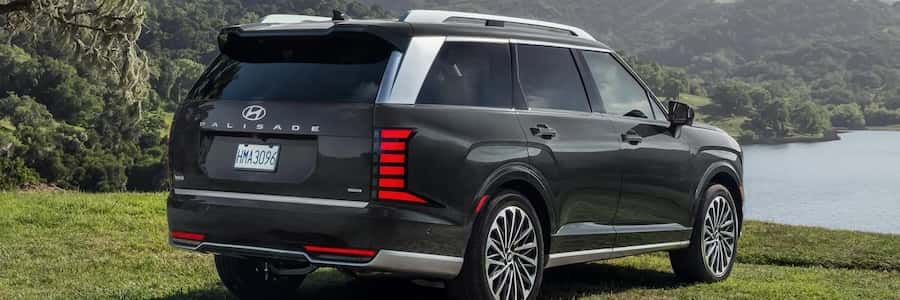
The 2026 Hyundai Palisade Hybrid is a strong family SUV choice compared to the Mazda CX-90 PHEV because it delivers significantly more third-row legroom, a larger maximum cargo capacity of about 87 cubic feet, and a lower starting MSRP of $44,160 without forcing you to plug in every night to achieve optimum fuel efficiency.
When shopping for a three-row family vehicle, usability and everyday flexibility take priority over novelty. While plug-in hybrid electric vehicles sound appealing on paper, the Mazda CX-90 PHEV requires regular charging to maintain its headline efficiency figures. Once its battery charge drains after roughly 26 miles of driving, its fuel economy drops to 26 mpg combined, and its firm ride quality can compromise passenger comfort on longer family trips.
By contrast, the 2026 Hyundai Palisade Hybrid utilizes a traditional full-hybrid setup that recharges itself seamlessly as you drive. Combining a turbocharged gas engine with an electric motor for a total output of 329 hp and 339 lb-ft of torque, it delivers refined power along with an EPA-estimated 33 city / 35 hwy mpg rating. You get long-distance cruising capability without range anxiety or charge-cable hassle.
To explore our current vehicle arrival schedule or schedule a test drive, visit our showroom location or give our sales team a quick call at (561) 462-1991.
Which Is Bigger Inside: 2026 Palisade Hybrid or 2026 CX-90 PHEV?
With over 155 cubic feet of passenger volume, the 2026 Hyundai Palisade Hybrid provides more interior space than many competitors, including the Mazda CX-90 PHEV.
Interior packaging is one of the most critical factors for growing families, and this is where the Palisade Hybrid establishes a clear advantage. Built on a generous 117-inch wheelbase, the Palisade Hybrid maximizes cabin space so that adult passengers can sit comfortably in all three rows. The Mazda CX-90 PHEV, despite its sleek exterior styling, features a snug third row that is best reserved for small children on brief trips.
When it comes to hauling luggage, stroller gear, or sports equipment, the Palisade Hybrid provides about 19 cubic feet of cargo space behind the third row alone. Folding down the rearmost seats opens up roughly 46 cubic feet of flat storage, and stowing both rear rows creates a maximum cargo capacity of about 87 cubic feet. The Mazda CX-90 PHEV trails significantly, providing only 16 cubic feet behind its third row and topping out at roughly 75 cubic feet of total volume with all rear seats folded.
- Third-Row Usability: The Palisade Hybrid accommodates adults in row three with ample head and legroom, whereas the CX-90 PHEV offers tight knee clearance.
- Cargo Room Behind Row 3: Palisade Hybrid provides about 19 cubic feet vs. 16 cubic feet in the CX-90 PHEV.
- Max Cargo Volume: Palisade Hybrid reaches about 87 cubic feet vs. 75 cubic feet in the CX-90 PHEV.
- Seating Configurations: The Palisade Hybrid offers flexible 7-passenger captain’s chair or 8-passenger bench configurations.
For drivers interested in experiencing Hyundai efficiency across different body styles, you can also explore our hybrid selection to compare passenger dimensions across the lineup.
Engine & Performance
Powertrain specs by trim
| Feature | Blue SEL 7 Passenger Hybrid FWD | Blue SEL 8 Passenger Hybrid FWD | Blue SEL Premium 7 Passenger Hybrid FWD | Blue SEL Premium 8 Passenger Hybrid FWD | Calligraphy AWD | Calligraphy FWD | Calligraphy Hybrid AWD | Calligraphy Hybrid FWD | Limited AWD | Limited FWD | Limited Hybrid AWD | Limited Hybrid FWD | SE AWD | SE FWD | SEL 7 Passenger AWD | SEL 7 Passenger FWD | SEL 7 Passenger Hybrid AWD | SEL 8 Passenger AWD | SEL 8 Passenger FWD | SEL 8 Passenger Hybrid AWD | SEL Convenience AWD | SEL Convenience FWD | SEL Premium 7 Passenger AWD | SEL Premium 7 Passenger FWD | SEL Premium 7 Passenger Hybrid AWD | SEL Premium 8 Passenger AWD | SEL Premium 8 Passenger FWD | SEL Premium 8 Passenger Hybrid AWD | XRT Pro AWD |
|---|---|---|---|---|---|---|---|---|---|---|---|---|---|---|---|---|---|---|---|---|---|---|---|---|---|---|---|---|---|
| Engine | 2.5L | 2.5L | 2.5L | 2.5L | 3.5L | 3.5L | 2.5L | 2.5L | 3.5L | 3.5L | 2.5L | 2.5L | 3.5L | 3.5L | 3.5L | 3.5L | 2.5L | 3.5L | 3.5L | 2.5L | 3.5L | 3.5L | 3.5L | 3.5L | 2.5L | 3.5L | 3.5L | 2.5L | 3.5L |
| Horsepower | 329 hp | 329 hp | 329 hp | 329 hp | 287 hp | 287 hp | 329 hp | 329 hp | 287 hp | 287 hp | 329 hp | 329 hp | 287 hp | 287 hp | 287 hp | 287 hp | 329 hp | 287 hp | 287 hp | 329 hp | 287 hp | 287 hp | 287 hp | 287 hp | 329 hp | 287 hp | 287 hp | 329 hp | 287 hp |
| Torque | 339 lb-ft | 339 lb-ft | 339 lb-ft | 339 lb-ft | 260 lb-ft | 260 lb-ft | 339 lb-ft | 339 lb-ft | 260 lb-ft | 260 lb-ft | 339 lb-ft | 339 lb-ft | 260 lb-ft | 260 lb-ft | 260 lb-ft | 260 lb-ft | 339 lb-ft | 260 lb-ft | 260 lb-ft | 339 lb-ft | 260 lb-ft | 260 lb-ft | 260 lb-ft | 260 lb-ft | 339 lb-ft | 260 lb-ft | 260 lb-ft | 339 lb-ft | 260 lb-ft |
| Transmission | SHIFTRONIC® | SHIFTRONIC® | SHIFTRONIC® | SHIFTRONIC® | SHIFTRONIC® | SHIFTRONIC® | SHIFTRONIC® | SHIFTRONIC® | SHIFTRONIC® | SHIFTRONIC® | SHIFTRONIC® | SHIFTRONIC® | SHIFTRONIC® | SHIFTRONIC® | SHIFTRONIC® | SHIFTRONIC® | SHIFTRONIC® | SHIFTRONIC® | SHIFTRONIC® | SHIFTRONIC® | SHIFTRONIC® | SHIFTRONIC® | SHIFTRONIC® | SHIFTRONIC® | SHIFTRONIC® | SHIFTRONIC® | SHIFTRONIC® | SHIFTRONIC® | SHIFTRONIC® |
| Drivetrain | Front-wheel drive | Front-wheel drive | Front-wheel drive | Front-wheel drive | All-wheel drive | Front-wheel drive | All-wheel drive | Front-wheel drive | All-wheel drive | Front-wheel drive | All-wheel drive | Front-wheel drive | All-wheel drive | Front-wheel drive | All-wheel drive | Front-wheel drive | All-wheel drive | All-wheel drive | Front-wheel drive | All-wheel drive | All-wheel drive | Front-wheel drive | All-wheel drive | Front-wheel drive | All-wheel drive | All-wheel drive | Front-wheel drive | All-wheel drive | All-wheel drive |
How Do Powertrain Specs and Driving Range Compare Between Both Hybrid SUVs?
The 2026 Hyundai Palisade Hybrid pairs a 2.5L turbocharged four-cylinder hybrid engine with a SHIFTRONIC® six-speed automatic transmission to produce 329 hp and 339 lb-ft of torque, providing higher total horsepower and a smoother power delivery than the Mazda CX-90 PHEV.
In real-world driving, the transmission architecture makes a noticeable difference in driver engagement and cabin comfort. Hyundai equips the Palisade Hybrid with a traditional SHIFTRONIC® six-speed automatic transmission rather than a continuously variable transmission (CVT). This delivers crisp, natural shift points during acceleration, eliminating the high-rev droning common in other hybrid systems. Front-wheel drive comes standard on trims like the Blue SEL 7 Passenger Hybrid FWD, while all-wheel drive is available across the lineup for added traction.
The Mazda CX-90 PHEV generates 323 horsepower from its 2.5-liter engine and electric motor setup. However, standard reviews and test drives frequently point out clunky transitions between gas and electric modes, along with low-speed hesitations when moving off the line. Furthermore, once its 17.8-kWh battery charge is depleted, the CX-90 PHEV relies entirely on its gas engine and functions as a heavier standard hybrid, achieving an EPA-estimated 26 mpg combined.
Because the 2026 Palisade Hybrid carries an 18-gallon fuel tank and achieves up to 34 mpg combined, it offers an exceptionally long driving range on a single tank. Families can complete long highway stints without stopping to locate charging stations or waiting at plug-in spots. To review monthly payment estimates for different hybrid configurations, you can submit an online credit application with our finance team.
Which SUV Offers a Smoother Ride and Better Comfort for Family Road Trips?
The 2026 Hyundai Palisade Hybrid delivers a noticeably smoother, quieter, and more compliant ride on highway road trips than the Mazda CX-90 PHEV, which relies on a firmer suspension setup that transmits more road harshness into the passenger cabin.
Mazda engineers tuned the CX-90 PHEV with an athletic, rear-biased suspension meant to appeal to enthusiast drivers. While this makes the Mazda feel nimble around tight corners, the trade-off is a stiff ride quality over highway expansion joints and broken pavement—especially when equipped with its available 21-inch wheels. On long cross-country highway stretches along the I-95 corridor near Delray Beach, that firmness can translate to passenger fatigue.
The 2026 Palisade Hybrid prioritizes serene, long-distance luxury. Its suspension glides over road imperfections while double-pane acoustic glass and extra sound insulation keep wind and tire noise out of the cabin. Front-row occupants enjoy available multi-contour seats with massage functions, while second-row passengers can relax in ventilated captain’s chairs equipped with deployable leg rests.
When families walk through the Palisade Hybrid on our showroom floor, they usually test the third-row power-fold controls and check for rear air vents before they even ask about fuel economy figures. Thoughtful cabin details—including tri-zone automatic climate control, abundant USB-C charging ports in all three rows, and ceiling-mounted air vents—ensure everyone stays comfortable across long journeys.
Which SUV Is Easier to Maneuver and Own Day to Day Around Town?
The 2026 Hyundai Palisade Hybrid is easier to live with day to day because it requires no plug-in charging discipline while offering excellent forward visibility, logical physical climate controls, and seamless parking technology.
Operating a plug-in hybrid like the CX-90 PHEV requires daily charging habits to unlock its fuel-saving potential. If you forget to plug it into a Level 2 home charger overnight, you end up hauling heavy battery weight around town while getting lower fuel economy. The Palisade Hybrid eliminates that home-charging routine entirely, using standard regenerative braking to keep its electric motor powered.
In busy parking lots or tight suburban shopping centers around Mizner Park in Boca Raton, the Palisade Hybrid proves simple to park and maneuver. It features an available 360-degree Surround View Monitor, Blind-Spot View Monitor, and clear sightlines through large side windows.
Inside, Hyundai uses physical buttons for primary climate and media controls alongside dual 12.3-inch curved digital displays. By contrast, the Mazda CX-90 PHEV utilizes a rotary dial controller on the center console that can make navigating Apple CarPlay or entering navigation destinations cumbersome while driving.
Which One Costs More and Offers Better Overall Family Value in Delray Beach?
The Mazda CX-90 PHEV carries a significantly higher starting price, opening above $50,000, whereas the 2026 Hyundai Palisade Hybrid starts at a competitive base MSRP of $44,160 for the Blue SEL 7 Passenger Hybrid FWD trim, delivering superior standard features for less money.
A detailed pricing comparison across the Palisade Hybrid lineup highlights its strong value structure. Even when stepping up to higher trim tiers or adding all-wheel drive, the Palisade Hybrid remains competitively priced against less equipped rivals:
- Blue SEL 7 Passenger Hybrid FWD: Base MSRP $44,160 (Destination charge: $1,600)
- Blue SEL 8 Passenger Hybrid FWD: Base MSRP $44,160 (Destination charge: $1,600)
- SEL Premium 7 Passenger Hybrid FWD: Base MSRP $47,520 (Destination charge: $1,600)
- SEL Premium 8 Passenger Hybrid FWD: Base MSRP $47,520 (Destination charge: $1,600)
- Limited Hybrid FWD: Base MSRP $51,990 (Destination charge: $1,600)
- Limited Hybrid AWD: Base MSRP $53,990 (Destination charge: $1,600)
- Calligraphy Hybrid FWD: Base MSRP $56,780 (Destination charge: $1,600)
- Calligraphy Hybrid AWD: Base MSRP $58,780 (Destination charge: $1,600)
Beyond the initial sticker price, long-term ownership protection strongly favors Hyundai. Every 2026 Palisade Hybrid comes backed by Hyundai’s legendary warranty package, including a 10-year/100,000-mile powertrain warranty and a 5-year/60,000-mile limited warranty. Mazda offers only a standard 3-year/36,000-mile basic warranty and a 5-year/60,000-mile powertrain warranty, leaving CX-90 PHEV owners exposed to higher out-of-pocket repair risks over time.
Frequently Asked Questions About the 2026 Palisade Hybrid vs Mazda CX-90 PHEV
Q: Does the 2026 Hyundai Palisade Hybrid need to be plugged in to charge?
The 2026 Hyundai Palisade Hybrid is a conventional full hybrid that does not require plug-in charging. Its onboard battery recharges automatically through regenerative braking and engine operation, making it ideal for families without dedicated home charging equipment.
Q: How much can the 2026 Hyundai Palisade Hybrid tow?
When properly equipped, the 2026 Hyundai Palisade Hybrid offers a maximum towing capacity of up to 4,000 lbs. All-wheel-drive hybrid models include dedicated tow modes that adjust transmission shift logic to haul small boats or campers with confidence.
Q: Is all-wheel drive available on the Palisade Hybrid?
All-wheel drive is available as an option across the Palisade Hybrid lineup, including the SEL Premium 7 Passenger Hybrid AWD and Calligraphy Hybrid AWD trims, providing enhanced traction during heavy rain or slippery road conditions.
Q: How does Hyundai warranty coverage compare to Mazda?
Hyundai protects the 2026 Palisade Hybrid with a 10-year/100,000-mile powertrain warranty and a 5-year/60,000-mile limited warranty. Mazda provides shorter coverage terms, offering a 3-year/36,000-mile basic warranty and a 5-year/60,000-mile powertrain warranty on the CX-90 PHEV.
Q: How can I schedule a Palisade Hybrid test drive in Delray Beach?
You can contact our sales team directly at (561) 462-1991 or visit our showroom address to explore vehicle availability and learn more about Delray Hyundai.
Prices and MSRP referenced in this article are estimates for informational purposes only and do not constitute an offer to sell. See dealer for complete details. Fuel economy estimates shown may differ from official EPA ratings and should not be relied upon as a guarantee of actual vehicle performance.
0 comment(s) so far on 2026 Hyundai Palisade Hybrid vs Mazda CX-90 PHEV: Which Family SUV Offers Better Value?