

2026 Hyundai Kona Trim Levels: Which Kona Is Right for You?
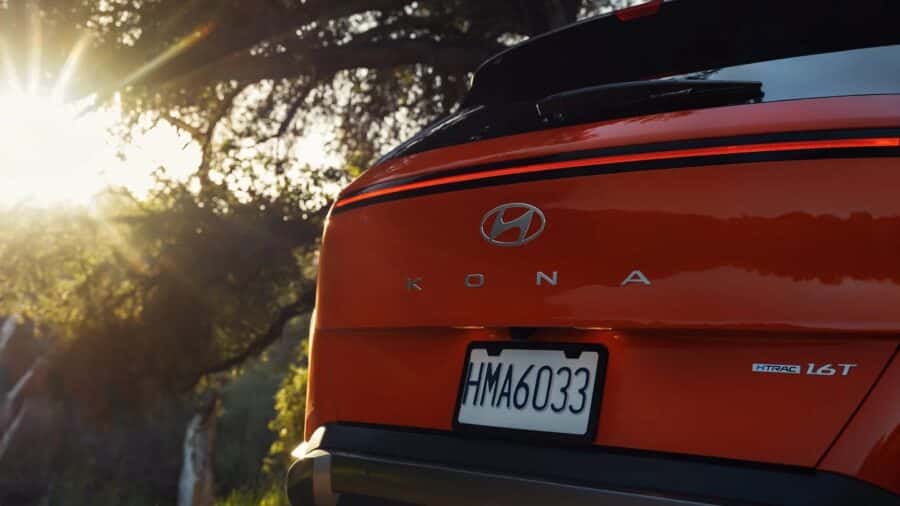
The landscape of subcompact crossovers shifted when the current design language hit the streets, and the 2026 Hyundai Kona continues that momentum with a look pulled straight from a sci-fi set. This model year emphasizes an EV-derived aesthetic that prioritizes aerodynamics and a clean, seamless horizon lamp that stretches across the front fascia. For residents in Delray Beach, this vehicle offers the perfect balance of a tidy footprint for navigating the busy shops along Atlantic Avenue and a surprisingly roomy interior for beach trips. The flat, coastal terrain of our local area is the ideal environment for this nimble crossover, which manages to feel much larger on the inside than its exterior dimensions suggest.
Deciphering the 2026 Hyundai Kona Trim Lineup
A common misconception we hear is that choosing a small SUV means sacrificing modern technology, but the 2026 lineup proves that even the entry-level models are packed with high-end digital interfaces. Hyundai has simplified the gas-powered grades this year, dropping several previous sub-trims to create a more straightforward ladder of features. The range now consists of the SE, SEL Sport, SEL Premium, and the top-tier Limited. Each step up the ladder adds meaningful comfort and performance upgrades, allowing buyers to target the specific amenities that fit their daily driving habits.
Pricing
MSRP and destination charges (source: MarketCheck VIN Decode (consensus))
| Feature | SE | SEL Sport | SEL Premium | Limited |
|---|---|---|---|---|
| Starting MSRP | $28,115 | $29,986 | $31,930 | $36,350 |
Lowest starting MSRP: SE at $28,115
The entry point for the lineup is the SE, which comes with a starting MSRP of $28,115. Despite being the base model, it is far from basic, featuring a standard 12.3-inch touchscreen and wireless smartphone integration. Moving up to the SEL Sport at $29,986 introduces a more athletic exterior style and additional interior conveniences. For those who want a significant boost in technology and power, the SEL Premium is priced at $31,930. At the top of the range, the Limited trim carries an MSRP of $36,350 and serves as the ultimate expression of what this subcompact crossover can offer.
By consolidating the previous SEL Convenience and N Line grades into these new consolidated tiers, Hyundai has made it much easier to compare the value proposition of each model. This streamlining ensures that features like Smart Cruise Control with Stop & Go are more accessible across the entire range, providing a safer and more relaxed driving experience regardless of which price point you choose.
Turbocharged Power vs. Efficient Cruising: Which Engine Wins?
While the standard powertrain offers a focus on efficiency, the jump to the higher grades introduces a level of punchy acceleration that changes how this crossover handles the daily commute. The SE and SEL Sport trims are equipped with a 2.0L I4 engine that produces 147 hp and 132 lb-ft of torque. This engine is mated to an Intelligent Variable Transmission (IVT), a type of CVT designed to maximize fuel economy. This setup is ideal for the relaxed pace of life in Boca Raton, where drivers often move between upscale shopping districts like Mizner Park and local golf courses. The 2.0L I4 provides smooth, predictable power that excels in stop-and-go suburban traffic while maintaining impressive efficiency.
Engine & Performance
Powertrain specifications across trim levels
| Feature | SE | SEL Sport | SEL Premium | Limited |
|---|---|---|---|---|
| Engine | 2.0L I4 | 2.0L I4 | 1.6L I4 | 1.6L I4 |
| Transmission | CVT | CVT | Automatic | Automatic |
| Drivetrain | FWD | FWD | FWD | 4WD |
Fuel Economy
EPA-estimated fuel economy ratings
| Feature | SE | SEL Sport | SEL Premium | Limited |
|---|---|---|---|---|
| City MPG | 30 mpg | 28 mpg | 26 mpg | 26 mpg |
| Highway MPG | 35 mpg | 35 mpg | 31 mpg | 30 mpg |
| Combined MPG | 33 mpg | 32 mpg | 29 mpg | 28 mpg |
Standard across all trims: Fuel Type Unleaded
Best combined fuel economy: SE at 33 mpg
For drivers who crave more engagement, the SEL Premium and Limited trims swap in a 1.6L I4 turbocharged engine. This more muscular option delivers 190 hp and 195 lb-ft of torque, providing the “it factor” in performance that many subcompact SUV buyers are looking for. Instead of the variable transmission, these turbocharged models utilize a traditional 8-speed automatic transmission, which offers crisp, defined shifts that help the vehicle feel more spirited during highway merging or overtaking. While FWD is the standard drivetrain for the first three trims, the Limited comes standard with 4WD, providing maximum grip and a more sophisticated multi-link rear suspension for improved ride quality.
Choosing between these two engines often comes down to your specific driving environment and performance expectations. The turbo engine is certainly worth the extra investment if you frequently drive with a full load of passengers or simply enjoy a more responsive throttle. Whether you prioritize the 35 mpg highway potential of the base engine or the 190-horsepower thrill of the turbo, both options provide a refined driving experience that stands out in the subcompact segment.
Inside the 2026 Hyundai Kona Limited: High-Tech Luxury Upgrades
If you are the type of driver who wants the maneuverability of a compact vehicle without losing the luxury of a flagship sedan, the Limited grade is where the most significant cabin transformations occur. The interior of this range-topping trim is defined by H-Tex leatherette-trimmed seating surfaces that provide a premium feel while remaining durable and easy to clean. One of the most sought-after upgrades in this trim is the inclusion of ventilated front seats, a feature that is nearly essential for maintaining comfort during our intense Florida summers. This is paired with an 8-way power driver seat, allowing for precise adjustments to find the perfect driving position.
The technology suite in the Limited is equally impressive, centering around a panoramic curved display that houses both the 12.3-inch touchscreen and a matching 12.3-inch digital instrument cluster. This setup creates a seamless, futuristic look across the dashboard. Beyond the screens, this trim includes several advanced driver-assist systems that are exclusive to the top tier, such as the Surround View Monitor and the Blind-Spot View Monitor. The latter displays a live video feed of your blind spot directly in the gauge cluster when you activate your turn signal, providing an extra layer of confidence when changing lanes on busy multi-lane roads.
Practicality is also enhanced through clever features like Remote Smart Parking Assist. This system allows you to stand outside the vehicle and use the smart key to guide the car into or out of a tight parking space—a perfect solution for narrow garage spots or crowded lots. The Limited also equips a Bose Premium Audio system with eight speakers and an external amp, ensuring that every drive is accompanied by high-fidelity sound. From the ambient interior lighting to the hands-free smart liftgate, every detail in this trim is designed to provide a more convenient and upscale ownership experience.
Evaluating the Real-World Value and Pricing of the 2026 Kona
J.D. Power often notes that long-term value is a primary driver for modern car buyers, and the ownership structure of this model is built around one of the most comprehensive protection plans in the industry. Every new Kona comes with America’s Best Warranty, which includes a 10-year/100,000-mile powertrain limited warranty and a 5-year/60,000-mile new vehicle limited warranty. This level of manufacturer-backed confidence is a significant factor in the vehicle’s high resale value, which typically sits above the class average for the subcompact SUV segment.
Standardized technology also bolsters the value proposition for 2026. By making the 12.3-inch touchscreen standard across all trims, Hyundai ensures that even budget-conscious buyers have access to the same high-quality infotainment interface found in the more expensive models. Safety is another area where the value is clear; every gas-powered Kona is equipped with Forward Collision-Avoidance Assist featuring pedestrian and cyclist detection, as well as Junction Turning Detection. These systems, combined with the vehicle’s IIHS Top Safety Pick+ rating, provide peace of mind that often costs extra on competing models.
When comparing the MSRP range of $28,115 to $36,350, it is important to consider the total cost of ownership. The Kona is designed for efficiency, with the base FWD models achieving an EPA-estimated 30 city / 35 hwy mpg. Even the more powerful turbocharged models maintain a competitive 31 mpg highway rating. When you factor in the included 5 years of unlimited miles for 24/7 Roadside Assistance, the Kona emerges as a highly practical choice for those who want to minimize unexpected expenses over the first several years of ownership.
Frequently Asked Questions About the 2026 Hyundai Kona
Our team at Delray Hyundai recently noticed that as more drivers transition from sedans to crossovers, the questions they ask focus less on dimensions and more on how the tech integrates into their specific lifestyle. To help you prepare for your visit, we have compiled answers to the questions our sales staff hears most often on the showroom floor.
Q: Is all-wheel drive available on the base SE trim?
A: Yes, HTRAC All Wheel Drive is available as an optional upgrade across all four trim levels of the 2026 Kona. Opting for the AWD system not only improves traction in wet conditions but also replaces the standard torsion beam rear suspension with an independent multi-link design for a smoother ride.
Q: Which trim level offers the best balance of features for the price?
A: Many of our shoppers find that the SEL Premium hits the sweet spot in the lineup. It is the most affordable way to get the 190 hp turbocharged engine and the full panoramic curved display, which includes the 12.3-inch digital gauge cluster in addition to the standard touchscreen.
Q: How much cargo space is available with the rear seats folded?
A: The 2026 Kona offers a very competitive about 64 cubic feet of maximum cargo volume when the 60/40 split second-row seats are folded down. Even with the rear seats in use, you still have about 25 cubic feet of space, which is more than enough for several carry-on suitcases or a full load of groceries.
Q: Does the 2026 Kona include wireless smartphone connectivity?
A: Every trim level comes standard with wireless Apple CarPlay and Android Auto. This allows you to mirror your favorite navigation and music apps directly onto the 12.3-inch touchscreen without needing to plug in a physical cable every time you enter the vehicle.
Q: What are the main safety differences between the trims?
A: While all trims include the core SmartSense suite like Lane Keeping Assist and Blind-Spot Collision Warning, the Limited trim adds exclusive high-tech aids. These include the Surround View Monitor, Parking Distance Warning for the front, side, and reverse, and Remote Smart Parking Assist.
0 comment(s) so far on 2026 Hyundai Kona Trim Levels: Which Kona Is Right for You?